

Lessons can be read in English and Japanese. Read whichever you prefer!
レッスンは英語と日本語で読めます。お好きな方をお読みください!
English Lesson
Hello, everyone!
The previous lesson was a summary of Lesson 20.
Everyone, are you now able to use the grammar and honorifics of Lesson 20 perfectly?
This time we will learn new verb conjugations.
They are similar to the other verb conjugations, so be careful not to make mistakes and learn them.
Since we have learnt so many conjugations of verbs and adjectives, there are a lot of people who get their conjugations mixed up and make mistakes.
It’s a good idea to practise conjugations from time to time on the Grammar Practice pages and the Bookshelf page, so that you can get all the conjugations correct!


Now, let’s start by announcing the answers to the homework questions from the previous lesson.
I have made a Word document and a PDF file, which you can download if you want to see the answers!
Answers to Lesson 48 homework
There was no summary quiz, as the last lesson was a summary lesson.
If you have any questions about the original homework, please feel free to send a message!
Vocabulary of Lesson 21
Before you start studying grammar, check out the new words in Lesson 21!
The words are slightly different between the second and third editions, so all the words are written together in the table below.
If you have a textbook, you can look at the vocabulary pages in the textbook.
| Second edition | 210ページと211ページ |
| Third edition | 208ページと209ページ |
Words marked with an asterisk (*) are not introduced in textbook, but I encourage you to memorise them together!
単語(たんご)
Nouns
| 日本語(にほんご) | 英語(えいご) |
| 赤ちゃん(あかちゃん) | baby |
| 痴漢(ちかん) | groper / pervert |
| 泥棒(どろぼう) | thief / burglar |
| 犯人(はんにん) | criminal |
| *被害者(ひがいしゃ) | victim |
| 同僚(どうりょう) | colleague |
| *上司(じょうし) | (one’s) superior / (one’s) boss |
| 会議(かいぎ) | business meeting / conference |
| スピーチ | speech |
| 準備(じゅんび) | preparation |
| バイト | abbreviation of アルバイト |
| 蚊(か) | mosquito |
| ガソリン | gasoline |
| *ガソリンスタンド | gas station / petrol station |
| ポスター | poster |
| 文句(もんく) | complaint |
| 留守(るす) | absence / not at home |
| 警察(けいさつ) | police / police station |
| 政府(せいふ) | government |
| 授業料(じゅぎょうりょう) | tuition |
| 工場(こうじょう) | factory |
| 環境(かんきょう) | environment |
| 終電(しゅうでん) | last train (of the day) |
| *始発(しはつ) | first train (of the day) |
| 事(こと) | things / matters |
| 昔(むかし) | old days / past |
Accents vary slightly from person to person and region to region.
Verbs
| 日本語(にほんご) | Verb types Particles | 英語(えいご) |
| 置く(おく) | U-verb (place) に (object) を | to put / to lay / to place |
| 包む(つつむ) | U-verb を | to wrap / to cover |
| 貼る(はる) | U-verb (place) に (thing) を | to post / to stick |
| 焼く(やく) | U-verb を | to bake / to burn / to grill |
| やる | U-verb を | to give food or water (to pets/plants) to give (very casual) |
| 蹴る(ける) | U-verb を | to kick |
| 殴る(なぐる) | U-verb を | to strike / to hit to punch |
| 踏む(ふむ) | U-verb を | to step on |
| 刺す(さす) | U-verb (bug/thorn) が を | (bug/thorn) bites to stab |
| 盗む(ぬすむ) | U-verb を | to steal / to rob |
| 触る(さわる) | U-verb に/を | to touch |
| 捕まる(つかまる) | U-verb (person/animal) が | to be arrested to be caught |
| 気が付く(きがつく) | U-verb (thing) に | to notice |
| ふる | U-verb (someone) を | to turn down (somebody) to reject / to jilt |
| 文句を言う (もんくをいう) | U-verb (someone) に | to complain |
| いじめる | Ru-verb を | to bully |
| 褒める(ほめる) | Ru-verb を | to praise to say nice things |
| 着替える(きがえる) | Ru-verb (clothes) に | to change clothes |
| 信じる(しんじる) | Ru-verb を | to believe |
| 貯める(ためる) | Ru-verb (money) を | to save money |
| 間違える(まちがえる) | Ru-verb を | to make a mistake |
| 見つける(みつける) | Ru-verb を | to find |
| 比べる(くらべる) | Ru-verb (X) と (Y) を | to compare |
| 馬鹿にする (ばかにする) | Irregular verb を | to insult to make a fool of… |
| びっくりする | Irregular verb (thing) に | to be surprised |
| 昼寝をする (ひるねをする) | Irregular verb | to take a nap |
| 連絡する (れんらくする) | Irregular verb (person/company) に | to contact |
Accents vary slightly from person to person and region to region.
Adjectives
| 日本語(にほんご) | Adjective types | 英語(えいご) |
| 遠い(とおい) | い-adjective | far (away) |
| 酷い(ひどい) | い-adjective | awful |
| 安全な(あんぜんな) | な-adjective | safe |
| めちゃくちゃな | な-adjective | messy / disorganaised |
| 変な(へんな) | な-adjective | strange / unusual |
Accents vary slightly from person to person and region to region.
Adverbs and other expressions
| 日本語(にほんご) | 英語(えいご) |
| ~間に(あいだに) | while… |
| 午前中(ごぜんちゅう) | in the morning |
| 頃(ころ) | time of… / when… |
| 少し(すこし) | a little |
| とにかく | anyhow / anyway |
Accents vary slightly from person to person and region to region.
Grammar of this lesson
First, check the contents of this lesson with example sentences!
Contents of this lesson

This time we will learn the passive form of verbs.
The parts marked in blue are the passive forms of verbs and particles.
Pay attention to the particles in the squares and compare the examples on the left and right.
In fact, the first four example sentences and the last example sentence are different types of passive sentences.
Can you tell what the difference is between these two?
Explanations of the grammar we will study this time can be found in the following pages of the textbook.
| Second edition | 212ページと214ページ: 1 Passive Sentences |
| Third edition | 210ページと212ページ: 1 Passive Sentences |
Active and passive voice
The verb conjugations we will study this time are the passive forms.
Most languages in the world have passive forms, so it should be easy to understand what a sentence using the passive form looks like.
However, some languages do not have a passive form, so I would like to give a simple explanation of the passive form at the beginning.
First of all, the sentences we have studied so far are sentences in the active voice (能動態(のうどうたい)).
You don’t need to remember the technical terms, as they are difficult to understand.
An active sentence is a sentence in the form ‘the subject of the sentence does the action of the verb’.
The subject of the verb is indicated by the particle は or が.
Example
私(わたし)はご飯(はん)を食(た)べます。
Subject: 私(わたし)
Action: 食(た)べる
The sentences we will study using the passive form are called passive voice (受動態(じゅどうたい)) sentences.
In a passive sentence, there is a person who performs the action of the verb and a person who is affected by the action of the verb.
Sentences in which the subject is the person performing the action of the verb are, as explained above, sentences in the active voice.
Therefore, a passive sentence is one in which the subject is the person who is affected by the action of the verb.
The person who is affected by the action of the verb is the one indicated by the particle を or に in the sentence in the active voice.
Examples
Active Voice: Subject takes action.
先生(せんせい)は学生(がくせい)を褒(ほ)めました。
(The teacher praised the student.)
Passive Voice: The subject is affected by the action.
学生(がくせい)は先生(せんせい)に褒(ほ)められました。
(The student was praised by his teacher.)
In other words, passive sentences are sentences that are spoken from the standpoint of the recipient of the action.
Now do you understand the difference between the active and passive voice?
If you still don’t understand it well, it’s okay if you can just get the picture.
After practising the conjugated forms below, let’s take a closer look at passive sentences!
Passive form of verbs
The passive form of the verb is the same as the honorific form of U-verbs and the potential form of Ru-verbs.
Do you remember what I explained about the ら抜(ぬ)き言葉(ことば) when we studied the potential forms?
Although ら抜(ぬ)き言葉(ことば) are grammatically incorrect, I have heard that the Japanese may have started using them to distinguish them from the passive form of verbs.
Actually, if you useら抜(ぬ)き言葉(ことば), the potential conjugations of verbs end in [-eru] for everything except する, which is easier to understand.
However, even if ら抜(ぬ)き言葉(ことば) becomes the correct grammar in the future, the conjugation of the passive form will not change, so make sure you learn the rules of conjugation.
Below, check the conjugations for each group of verbs!
U-verbs
Passive forms of U-verbs are created by changing the final -u in the dictionary form to -areru.
So the honorific form and passive form are the same.
Verbs ending in う cannot be said [-uareru], but [-wareru].
| Dictionary form (-u) | Passive form (-areru) |
| 行(い)く (iku) | 行(い)かれる (ikareru) |
| 話(はな)す (hanasu) | 話(はな)される (hanasareru) |
| 買(か)う (kau) | 買(か)われる (kawareru) |
| 泳(およ)ぐ (oyogu) | 泳(およ)がれる (oyogareru) |
| 遊(あそ)ぶ (asobu) | 遊(あそ)ばれる (asobareru) |
| 読(よ)む (yomu) | 読(よ)まれる (yomareru) |
| 待(ま)つ (matsu) | 待(ま)たれる (matareru) |
| 死(し)ぬ (shinu) | 死(し)なれる (shinareru) |
| 帰(かえ)る (kaeru) | 帰(かえ)られる (kaerareru) |
Let’s quickly practise making the passive form of U-verbs!
Practice
Change the dictionary form of the verbs to the passive form.
- 死(し)ぬ
- 文句(もんく)を言(い)う
- 刺(さ)す
- 盗(ぬす)む
- 置(お)く
- 脱(ぬ)ぐ
- 持(も)つ
- 貼(は)る
- 呼(よ)ぶ
You can check the answers in the PDF below!
Ru-verbs
Passive forms of Ru-verbs are created by changing the final -ru in the dictionary form to -rareru.
Therefore, the potential form and the passive form are the same.
| Dictionary form (-ru) | Passive form (-rareru) |
| 見(み)る (miru) | 見(み)られる (mirareru) |
| 起(お)きる (okiru) | 起(お)きられる (okirareru) |
Practise a little more on the passive form of Ru-verbs!
Practice
Change the dictionary form of the verbs to the passive form.
- 褒(ほ)める
- 信(しん)じる
- いじめる
- 比(くら)べる
- 間違(まちが)える
Check the answers in the PDF below!
Irregular verbs
See the table below to learn the passive form of irregular verbs.
The passive form of 来(く)る is the same as the potential form.
| Dictionary form | Passive form |
| する | される |
| 来(く)る | 来(こ)られる |
Verbs ending in する and くる, such as 勉強(べんきょう)する and 連(つ)れてくる, have the same conjugation.
Now that I’ve explained the rules for the passive form of all verbs, let’s finish with some practice with a mixture of all verb types!
Practice
Change the dictionary form of the verbs to the passive form.
- 貸(か)す
- 殴(なぐ)る
- 馬鹿(ばか)にする
- 使(つか)う
- 焼(や)く
- 死(し)ぬ
- 踏(ふ)む
- 立(た)つ
- 泳(およ)ぐ
- 遊(あそ)ぶ
- 見(み)つける
- 連(つ)れてくる
For answers, see the PDF below!
If you have a textbook, you should also practise using it!
| Second edition | 219ページ: I どろぼうにかばんをとられました A |
| Third edition | 217ページ: I どろぼうにかばんをとられました A |
Verbs without a passive form
Some verbs do not have a passive form.
As there seems to be no explanation in the textbook, I will summarise them in the table below.
- Potential form of verbs
Examples: 読(よ)める、できる - Verbs with spontaneous meaning and intransitive verbs
Examples: 見(み)える、聞(き)こえる、開(あ)く、落(お)ちる - Verbs that originally meant passive
Examples: 見(み)つかる、捕(つか)まる - Verbs expressing a state of affairs
Examples: ある、いる、要(い)る、咳(せき)が出(で)る
You can see that verbs like the ones written above cannot be used in the passive form because, basically, they have a strange meaning when used in the passive voice.
The examples given above are for reference only and it is not necessary to learn them all.
If you don’t use verbs that you think are strange when used in the passive form, you should be fine.
Sentence patterns using the passive form
Once you know how to make passive forms, you can use them to make sentences!
As with the potential form, the form practised above is the dictionary form of the passive form.
So it has to be further conjugated when making sentences.
The passive form, which ends in る, has the same conjugation as the Ru-verbs, as does the potential form.
Passive form conjugation
Long form/ます form
「る」 → 「ます」「ません」「ました」「ませんでした」
| U-verbs 行(い)かれる | Ru-verbs 見(み)られる | Irregular verbs される/来(こ)られる | |
| Present Affirmative | 行(い)かれます | 見(み)られます | されます 来(こ)られます |
| Present Negative | 行(い)かれません | 見(み)られません | されません 来(こ)られません |
| Past Affirmative | 行(い)かれました | 見(み)られました | されました 来(こ)られました |
| Past Negative | 行(い)かれませんでした | 見(み)られませんでした | されませんでした 来(こ)られませんでした |
て form
「る」 → 「て」
| U-verbs 行(い)かれる | Ru-verbs 見(み)られる | Irregular verbs される/来(こ)られる |
| 行(い)かれて | 見(み)られて | されて 来(こ)られて |
Short form
「る」 → 「ない」「た」「なかった」
| U-verbs 行(い)かれる | Ru-verbs 見(み)られる | Irregular verbs される/来(こ)られる | |
| Present Affirmative | 行(い)かれる | 見(み)られる | される 来(こ)られる |
| Present Negative | 行(い)かれない | 見(み)られない | されない 来(こ)られない |
| Past Affirmative | 行(い)かれた | 見(み)られた | された 来(こ)られた |
| Past Negative | 行(い)かれなかった | 見(み)られなかった | されなかった 来(こ)られなかった |
Next, let’s look at sentence patterns!
(victim) は (villain) に (passive form)
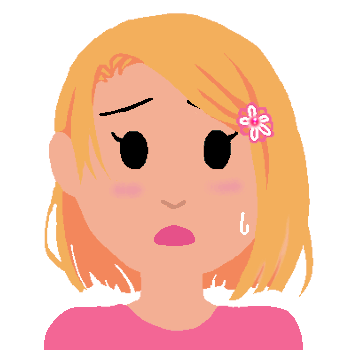
私(わたし)は知(し)らない人(ひと)に足(あし)を踏(ふ)まれました。
(=知(し)らない人(ひと)が私(わたし)の足(あし)を踏(ふ)みました。)
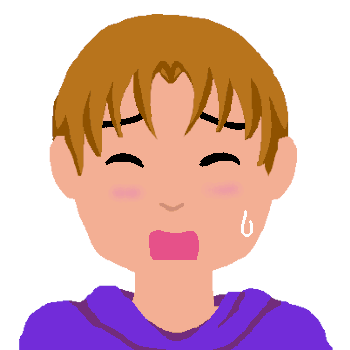
遅刻(ちこく)したので部長(ぶちょう)に怒(おこ)られました。
(=遅刻(ちこく)したので、部長(ぶちょう)が私(わたし)に怒(おこ)りました。)
I have written sentences in the active voice in ( ) so that you can compare with the passive voice.
The basic sentence pattern is (victim) は (villain) に (passive form).
As in Emma’s example, the person who is affected by the action is indicated by the particle は or が, and the person who performs the action is indicated by the particle に.
If the person affected by the action is 私(わたし), it is not necessary to say 私(わたし)は, as in John’s example.
Also, if you do not want to say the person who performed the action or if you do not know the person who performed the action, you do not have to say it.

コンビニで買(か)い物(もの)をしたら、傘(かさ)を盗(ぬす)まれました。
Have you noticed that all of the passive sentences so far are talking about things that are troubling or annoying?
The passive form of the Japanese language is often used to express annoyance.
This is called the ‘passive form of annoyance (迷惑(めいわく)の受身(うけみ))’.
Therefore, passive Japanese sentences like the examples below, which are difficult to translate into English, are often used.
Examples
友達(ともだち)の赤(あか)ちゃんに会(あ)ったら、赤(あか)ちゃんに泣(な)かれました。
(When I met my friend’s baby, the baby cried. (and I was in trouble))
うちに帰(かえ)る時(とき)、雨(あめ)に降(ふ)られました。
(When I came home, it rained. (and I didn’t like it))
友達(ともだち)によく変(へん)な写真(しゃしん)を撮(と)られます。
(Friends often take strange photos of me. (and I find it annoying))
When you want to indicate that someone’s action is not annoying, you can use (て form) もらう instead of the passive form.
Example
友達(ともだち)にいい先生(せんせい)を紹介(しょうかい)されました。
= 友達(ともだち)にいい先生(せんせい)を紹介(しょうかい)してもらいました。
(て form) もらう is a grammar studied in Lesson 16 of GENKI 2.
If you have forgotten the meaning, please review the lesson below.

Direct and affective passives
In fact, there are two types of passive sentence in Japanese: direct passive (直接受身(ちょくせつうけみ)) and affective passive (間接受身(かんせつうけみ)).
The above-mentioned sentences are of the affective passive form.
Affective passive = passive of annoyance.
Therefore, you can think of passive sentences that talk about annoying things as affective passive sentences.
On the other hand, the direct passive is characterised by the fact that the subject is often a thing and there is no sense of annoyance.
When a thing is the subject, it is often used without indicating the actor in the form (thing) は (passive form), since it is not necessary to say that it is the person who uses the thing.
Examples
日本語(にほんご)は日本(にほん)で話(はな)されています。
(Japanese is spoken in Japan.)
この料理(りょうり)には肉(にく)が使(つか)われています。
(Meat is used in this dish.)
A person who performs an action in a direct passive sentence is indicated by によって.
However, it is not used unless it is necessary to indicate a specific person, such as the author of the work or the police (authority), as in the examples below.
Examples
この絵(え)はピカソによって描(か)かれました。
(This painting was done by Picasso.)
犯人(はんにん)は警察(けいさつ)によって逮捕(たいほ)されました。
(The criminals were arrested by the police.)
This time I wrote a lot of explanations, so it may have been a little confusing.
What is important is the conjugation of the passive form and the sentence pattern (victim) は (villain) に (passive form), so let’s first master these basic ways of using the passive form!
Practice
1. Change to a sentence in the passive form.
Example 1: 山田(やまだ)さんは田中(たなか)さんを蹴(け)りました。
→ 田中(たなか)さんは山田(やまだ)さんに蹴(け)られました。
Example 2: 子供(こども)がお母(かあ)さんのお菓子(かし)を食(た)べました。
→ お母(かあ)さんは子供(こども)にお菓子(かし)を食(た)べられました。
- 佐藤(さとう)さんは鈴木(すずき)さんを殴(なぐ)りました。
- 姉(あね)が妹(いもうと)の服(ふく)を汚(よご)しました。
- 蚊(か)が私(わたし)を刺(さ)しました。
- 彼女(かのじょ)が私(わたし)にうそをつきました。
- 誰(だれ)かが電車(でんしゃ)の中(なか)で私(わたし)の足(あし)を踏(ふ)みました。
- 留守(るす)の時(とき)、泥棒(どろぼう)が家(いえ)に入(はい)りました。
- 社長(しゃちょう)は朝(あさ)早(はや)く部長(ぶちょう)に電話(でんわ)しました。
- 猫(ねこ)が私(わたし)の好(す)きなグラスを落(お)としました。
- 犬(いぬ)がよく私(わたし)の靴(くつ)をどこかに持(も)って行(い)きます。
- お客(きゃく)さんが同僚(どうりょう)に文句(もんく)を言(い)いました。
2. Answer the questions.
- 学校(がっこう)でいじめられたことがありますか。
- 誰(だれ)かに何(なに)か盗(ぬす)まれたことがありますか。
- 友達(ともだち)に何(なに)をされたら困(こま)りますか。
- 子供(こども)の時(とき)、兄弟(きょうだい)や親戚(しんせき)と成績(せいせき)を比(くら)べられましたか。
- 誰(だれ)にも知(し)られたくない秘密(ひみつ)がありますか。
- よく誰(だれ)かに待(ま)たされますか。
- 子供(こども)の時(とき)よく怒(おこ)られましたか。
- 恋人(こいびと) (lover / sweetheart) にふられた時(とき)、何(なに)をしますか。
- 文句(もんく)を言(い)われたら、あなたも文句(もんく)を言(い)いますか。
- よく誰(だれ)かに何(なに)か頼(たの)まれますか。
3. Complete the sentences.
- 私(わたし)はよく父(ちち)に___________ます。
- 友達(ともだち)に__________て、落(お)ち込(こ)みました。
- 鍵(かぎ)をかけなかったので、自転車(じてんしゃ)を_____________。
- 名前(なまえ)を書(か)かないと、______を__________かもしれません。
- 知(し)らない人(ひと)に道(みち)を聞(き)いたら、_____________ました。
- 子供(こども)に__________ので、怒(おこ)ったら________ました。
- 私(わたし)の仕事(しごと)は悪(わる)くないですが、時々(ときどき)_________ます。
- ___________ので、_______に文句(もんく)を言(い)ったことがあります。
- 子供(こども)の時(とき)、_______に_________て、泣(な)きました。
- _________に___________たら、怒(おこ)ると思(おも)います。
When you have finished the exercises, look at the PDF below to check the answers and examples of answers!
There are many exercises in the textbook, so if you have a textbook, don’t forget to practise!
| Second edition | 219ページ: B 220ページ: C と D |
| Third edition | 217ページ: B 218ページ: C と D |
Summary quiz
What did you think of this grammar lesson?
Before you do the summary quiz, review the key points of the lesson once more!
Key points of the passive form
There are two types of passive forms in Japanese.
- Direct passive (直接受身(ちょくせつうけみ)): Passive expressions with no sense of annoyance.
- Affective passive (間接受身(かんせつうけみ)): Passive of annoyance. A passive expression that describes what the addressee perceives as a nuisance.
Conjugations
- Dictionary form → Passive form
U-verbs: -u → -areru
*The same conjugation as the honorific form of verbs.
Ru-verbs: -ru → -rareru
*The same conjugation as the potential form of verbs.
Irregular verbs: される/来(こ)られる - Passive form conjugation
The same conjugation as the Ru-verbs.
| U-verbs 行(い)く -u → -areru | Ru-verbs 見(み)る -ru → -rareru | Irregular verbs する/来(く)る | |
| Dictionary form | 行(い)かれる | 見(み)られる | される 来(こ)られる |
| Long form | 行(い)かれます | 見(み)られます | されます 来(こ)られます |
| て form | 行(い)かれて | 見(み)られて | されて 来(こ)られて |
Sentence patterns
- (victim) は (villain) に (passive form)
= Affective passive/passive of annoyance
Used to express annoyance.
You don’t have to say 私(わたし)は.
Examples
エマさんは知(し)らない人(ひと)に電話番号(でんわばんごう)を聞(き)かれました。
(私(わたし)は)友達(ともだち)に本(ほん)をなくされました。 - (thing) は (passive form)
= Direct passive
Simple passive sentences with no sense of annoyance.
The person who takes action is not indicated.
Examples
桜(さくら)は日本(にほん)のどこでも見(み)られる。
ここにスーパーが作(つく)られるそうだ。 - (subject) は (performer) によって (passive form)
= Direct passive
Simple passive sentences with no sense of annoyance.
A person who takes action is indicated by using によって.
Examples
この本(ほん)は日本(にほん)の有名人(ゆうめいじん)によって書(か)かれた。
泥棒(どろぼう)は警察(けいさつ)によって連(つ)れていかれた。
After checking the points above, take the quiz!
Quiz 1: Using the passive form, write five things that someone did to you.
- 私(わたし)は___________に__________________ました。
- 私(わたし)は___________に__________________ました。
- 私(わたし)は___________に__________________ました。
- 私(わたし)は___________に__________________ました。
- 私(わたし)は___________に__________________ました。
Quiz 2: Answer the following questions.
- よく家族(かぞく)にあなたの物(もの)を使(つか)われますか。
- 何(なに)を壊(こわ)されたら一番(いちばん)悲(かな)しいですか。
- 初(はじ)めて会(あ)った人(ひと)に何(なに)を聞(き)かれたら困(こま)りますか。
- どんな文句(もんく)を言(い)われたことがありますか。
- よく蚊(か)に刺(さ)されますか。
That’s all for the quiz!
Thank you to everyone who took the quiz! Answers will be announced in the next lesson.
If you have any questions, please leave a message using the contact form!
Homework
The workbook homework is on the following pages.
| Second edition | 77ページから79ページまで |
| Third edition | 79ページから81ページまで |
If you don’t have a workbook, do the homework below.
Download the Word or PDF version, whichever you prefer!
Those who have workbook homework should also take up the challenge!
Check the answers in the workbook by looking at the answer book.
Answers to original homework assignments will be presented in the next lesson.
The conjugation of the passive form is not too difficult, but the passive form in Japanese differs from that in English and other foreign languages, so it may have been a little difficult to understand.
In the textbook, only the affective passive is practised, so in this lesson, too, only the affective passive is practised.
But in practice, the direct passive is used more often.
If you have practised the affective passive well in the textbook and the lesson, please try practising the direct passive as well.
Try reading some Japanese sentences and look for the passive form.
You may be surprised to find that they are used more often than you thought.
In the next lesson, you will learn sentence patterns that express the state of things using verb て form.
When you learn a new conjugation, it is important to practise it a lot until you get used to it.
There are a lot of new verbs this time around, so please practise a lot while also doing the conjugation exercises you’ve studied so far!
Thank you for reading!
See you in the next lesson!
You can check out other lessons from GENKI here!


Click here to practise your Hiragana, Katakana and Kanji!


Also check out the resources and exercises on the Bookshelf page!
日本語(にほんご)のレッスン
みなさん、こんにちは!
前回(ぜんかい)は第二十課(にじゅっか)のまとめのレッスンでした。
みなさん、第二十課(だいにじゅっか)の文法(ぶんぽう)と敬語(けいご)は、もう完(かん)ぺきに使(つか)えるようになりましたか。
今回(こんかい)は新(あたら)しい動詞(どうし)の活用(かつよう)を学(まな)びます。
他(ほか)の動詞(どうし)の活用(かつよう)と似(に)ているので、間違(まちが)えないように気(き)を付(つ)けて覚(おぼ)えましょう。
これまでに動詞(どうし)や形容詞(けいようし)の活用(かつよう)をたくさん学(まな)んだので、活用(かつよう)が混(ま)ざってしまって間違(まちが)える人(ひと)はとても多(おお)いです。
時々(ときどき)文法練習(ぶんぽうれんしゅう)のページや本棚(ほんだな)のページの活用練習(かつようれんしゅう)をして、どの活用(かつよう)も正(ただ)しくできるようにしておきましょうね!
それでは、最初(さいしょ)に前回(ぜんかい)の宿題(しゅくだい)の答(こた)えを発表(はっぴょう)します。
WordとPDFを作(つく)ったので、答(こた)えを見(み)たい人(ひと)はダウンロードしてください!
レッスン48の宿題(しゅくだい)の答(こた)え
前回(ぜんかい)はまとめのレッスンだったので、まとめのクイズはありませんでした。
オリジナルの宿題(しゅくだい)について質問(しつもん)がある人(ひと)は、気軽(きがる)にメッセージをくださいね!
第二十一課(だいにじゅういっか)の単語(たんご)
文法(ぶんぽう)の勉強(べんきょう)を始(はじ)める前(まえ)に、まず第二十一課(だいにじゅういっか)の新(あたら)しい単語(たんご)をチェックしましょう!
第二版(だいにはん)と第三版(だいさんぱん)で単語(たんご)が少(すこ)し違(ちが)うので、下(した)の表(ひょう)に全部(ぜんぶ)の単語(たんご)をまとめて書(か)きます。
教科書(きょうかしょ)がある人(ひと)は、教科書(きょうかしょ)の単語(たんご)のページを見(み)てもいいですよ。
| 第二版(だいにはん) | 210ページと211ページ |
| 第三版(だいさんぱん) | 208ページと209ページ |
*マークがついている単語(たんご)は教科書(きょうかしょ)で紹介(しょうかい)されていませんが、ぜひ一緒(いっしょ)に覚(おぼ)えておいてください!
単語(たんご)
名詞(めいし)
| 日本語(にほんご) | 英語(えいご) |
| 赤ちゃん(あかちゃん) | baby |
| 痴漢(ちかん) | groper / pervert |
| 泥棒(どろぼう) | thief / burglar |
| 犯人(はんにん) | criminal |
| *被害者(ひがいしゃ) | victim |
| 同僚(どうりょう) | colleague |
| *上司(じょうし) | (one’s) superior / (one’s) boss |
| 会議(かいぎ) | business meeting / conference |
| スピーチ | speech |
| 準備(じゅんび) | preparation |
| バイト | abbreviation of アルバイト |
| 蚊(か) | mosquito |
| ガソリン | gasoline |
| *ガソリンスタンド | gas station / petrol station |
| ポスター | poster |
| 文句(もんく) | complaint |
| 留守(るす) | absence / not at home |
| 警察(けいさつ) | police / police station |
| 政府(せいふ) | government |
| 授業料(じゅぎょうりょう) | tuition |
| 工場(こうじょう) | factory |
| 環境(かんきょう) | environment |
| 終電(しゅうでん) | last train (of the day) |
| *始発(しはつ) | first train (of the day) |
| 事(こと) | things / matters |
| 昔(むかし) | old days / past |
アクセントは人(ひと)や地方(ちほう)によって少(すこ)し違(ちが)います。
動詞(どうし)
| 日本語(にほんご) | 動詞(どうし)のタイプ 助詞(じょし) | 英語(えいご) |
| 置く(おく) | U-verb (place) に (object) を | to put / to lay / to place |
| 包む(つつむ) | U-verb を | to wrap / to cover |
| 貼る(はる) | U-verb (place) に (thing) を | to post / to stick |
| 焼く(やく) | U-verb を | to bake / to burn / to grill |
| やる | U-verb を | to give food or water (to pets/plants) to give (very casual) |
| 蹴る(ける) | U-verb を | to kick |
| 殴る(なぐる) | U-verb を | to strike / to hit to punch |
| 踏む(ふむ) | U-verb を | to step on |
| 刺す(さす) | U-verb (bug/thorn) が を | (bug/thorn) bites to stab |
| 盗む(ぬすむ) | U-verb を | to steal / to rob |
| 触る(さわる) | U-verb に/を | to touch |
| 捕まる(つかまる) | U-verb (person/animal) が | to be arrested to be caught |
| 気が付く(きがつく) | U-verb (thing) に | to notice |
| ふる | U-verb (someone) を | to turn down (somebody) to reject / to jilt |
| 文句を言う (もんくをいう) | U-verb (someone) に | to complain |
| いじめる | Ru-verb を | to bully |
| 褒める(ほめる) | Ru-verb を | to praise to say nice things |
| 着替える(きがえる) | Ru-verb (clothes) に | to change clothes |
| 信じる(しんじる) | Ru-verb を | to believe |
| 貯める(ためる) | Ru-verb (money) を | to save money |
| 間違える(まちがえる) | Ru-verb を | to make a mistake |
| 見つける(みつける) | Ru-verb を | to find |
| 比べる(くらべる) | Ru-verb (X) と (Y) を | to compare |
| 馬鹿にする (ばかにする) | Irregular verb を | to insult to make a fool of… |
| びっくりする | Irregular verb (thing) に | to be surprised |
| 昼寝をする (ひるねをする) | Irregular verb | to take a nap |
| 連絡する (れんらくする) | Irregular verb (person/company) に | to contact |
アクセントは人(ひと)や地方(ちほう)によって少(すこ)し違(ちが)います。
形容詞(けいようし)
| 日本語(にほんご) | 形容詞(けいようし)の タイプ | 英語(えいご) |
| 遠い(とおい) | い-adjective | far (away) |
| 酷い(ひどい) | い-adjective | awful |
| 安全な(あんぜんな) | な-adjective | safe |
| めちゃくちゃな | な-adjective | messy / disorganaised |
| 変な(へんな) | な-adjective | strange / unusual |
アクセントは人(ひと)や地方(ちほう)によって少(すこ)し違(ちが)います。
副詞(ふくし)とその他(ほか)の表現(ひょうげん)
| 日本語(にほんご) | 英語(えいご) |
| ~間に(あいだに) | while… |
| 午前中(ごぜんちゅう) | in the morning |
| 頃(ころ) | time of… / when… |
| 少し(すこし) | a little |
| とにかく | anyhow / anyway |
アクセントは人(ひと)や地方(ちほう)によって少(すこ)し違(ちが)います。
今回(こんかい)の文法(ぶんぽう)
はじめに、今回(こんかい)のレッスンの内容(ないよう)を例文(れいぶん)でチェックしましょう!
今回(こんかい)のレッスン
今回(こんかい)は、動詞(どうし)の受身形(うけみけい)を学(まな)びます。
青(あお)で書(か)いた部分(ぶぶん)が動詞(どうし)の受身形(うけみけい)と助詞(じょし)です。
□の中(なか)の助詞(じょし)に注意(ちゅうい)して、左(ひだり)と右(みぎ)の例文(れいぶん)をよく比(くら)べてみましょう。
実(じつ)は、最初(さいしょ)の四(よっ)つの例文(れいぶん)と最後(さいご)の例文(れいぶん)は違(ちが)うタイプの受身形(うけみけい)の文(ぶん)です。
みなさんは、これら二(ふた)つの何(なに)が違(ちが)うのかわかりますか。
今回(こんかい)勉強(べんきょう)する文法(ぶんぽう)の説明(せつめい)は、教科書(きょうかしょ)の以下(いか)のページにあります。
| 第二版(だいにはん) | 212ページと214ページ: 1 Passive Sentences |
| 第三版(だいさんぱん) | 210ページと212ページ: 1 Passive Sentences |
能動態(のうどうたい)と受動態(じゅどうたい)
今回(こんかい)勉強(べんきょう)する動詞(どうし)の活用(かつよう)は、受身形(うけみけい)です。
世界(せかい)のたいていの言語(げんご)は受身(うけみ)の表現(ひょうげん)があるので、受身形(うけみけい)を使(つか)った文(ぶん)のイメージはわかりやすいと思(おも)います。
ただ、受身(うけみ)の表現(ひょうげん)がない言語(げんご)もあるので、最初(さいしょ)に簡単(かんたん)に受身(うけみ)について説明(せつめい)したいと思(おも)います。
まず、これまでに勉強(べんきょう)してきた文(ぶん)は、能動態(のうどうたい)の文(ぶん)です。
専門用語(せんもんようご)は難(むずか)しいので覚(おぼ)えなくてもいいですよ。
能動態(のうどうたい)の文(ぶん)は、「文(ぶん)の主語(しゅご)が動詞(どうし)のアクションをする」形(かたち)の文(ぶん)です。
動詞(どうし)の主語(しゅご)は助詞(じょし)の「は」か「が」で示(しめ)します。
例(れい)
私(わたし)はご飯(はん)を食(た)べます。
主語(しゅご):私(わたし)
アクション:食(た)べる
今回(こんかい)勉強(べんきょう)する受身形(うけみけい)を使(つか)った文(ぶん)は、受動態(じゅどうたい)の文(ぶん)と言(い)います。
受動態(じゅどうたい)の文(ぶん)では、動詞(どうし)のアクションをする人(ひと)と、動詞(どうし)のアクションの影響(えいきょう)を受(う)ける人(ひと)がいます。
動詞(どうし)のアクションをする人(ひと)を主語(しゅご)にした文(ぶん)は、上(うえ)で説明(せつめい)した通(とお)り、能動態(のうどうたい)の文(ぶん)ですね。
なので、動詞(どうし)のアクションの影響(えいきょう)を受(う)ける人(ひと)を主語(しゅご)にした文(ぶん)が受動態(じゅどうたい)の文(ぶん)になります。
動詞(どうし)のアクションの影響(えいきょう)を受(う)ける人(ひと)は、能動態(のうどうたい)の文(ぶん)の中(なか)で助詞(じょし)の「を」や「に」で示(しめ)されている人(ひと)です。
例(れい)
能動態(のうどうたい):主語(しゅご)がアクションをする
先生(せんせい)は学生(がくせい)を褒(ほ)めました。
(The teacher praised the student.)
受動態(じゅどうたい):主語(しゅご)がアクションの影響(えいきょう)を受(う)ける
学生(がくせい)は先生(せんせい)に褒(ほ)められました。
(The student was praised by his teacher.)
つまり、受動態(じゅどうたい)の文(ぶん)は、アクションの影響(えいきょう)を受(う)ける人(ひと)の立場(たちば)で話(はな)す文(ぶん)なんです。
これで、能動態(のうどうたい)と受動態(じゅどうたい)の違(ちが)いがわかりましたか。
まだよくわからない人(ひと)は、イメージだけでもわかれば大丈夫(だいじょうぶ)です。
下(した)で活用形(かつようけい)を練習(れんしゅう)してから、もう少(すこ)し受動態(じゅどうたい)の文(ぶん)について詳(くわ)しく見(み)てみましょう!
動詞(どうし)の受身形(うけみけい)
動詞(どうし)の受身形(うけみけい)は、う動詞(どうし)の尊敬形(そんけいけい)とる動詞(どうし)の可能形(かのうけい)と形(かたち)が同(おな)じです。
可能形(かのうけい)を勉強(べんきょう)した時(とき)に「ら抜(ぬ)き言葉(ことば)」について説明(せつめい)しましたが、覚(おぼ)えていますか。
「ら抜(ぬ)き言葉(ことば)」は文法的(ぶんぽうてき)には間違(まちが)いなのですが、日本人(にほんじん)が「ら抜(ぬ)き言葉(ことば)」を使(つか)うようになったのは、動詞(どうし)の受身形(うけみけい)と区別(くべつ)するためではないかという話(はなし)を聞(き)いたことがあります。
実際(じっさい)に、「ら抜(ぬ)き言葉(ことば)」を使(つか)えば、動詞(どうし)の可能形(かのうけい)の活用(かつよう)は「する」以外(いがい)全部(ぜんぶ) [-eru] で終(お)わるので、わかりやすくなります。
ただ、もし「ら抜(ぬ)き言葉(ことば)」が将来(しょうらい)正(ただ)しい文法(ぶんぽう)になっても、受身形(うけみけい)の活用(かつよう)は変(か)わりませんので、しっかり活用(かつよう)のルールを覚(おぼ)えましょうね。
下(した)で動詞(どうし)のグループごとに活用(かつよう)を確認(かくにん)しましょう!
う動詞(どうし)
う動詞(どうし)の受身形(うけみけい)は、辞書形(じしょけい)の最後(さいご)の -u を -areru に変(か)えて作(つく)ります。
なので、尊敬形(そんけいけい)と形(かたち)が同(おな)じです。
「う」で終(お)わる動詞(どうし)は [-uareru] と言(い)えないので、[-wareru] になります。
| 辞書形(じしょけい) (-u) | 受身形(うけみけい) (-areru) |
| 行(い)く (iku) | 行(い)かれる (ikareru) |
| 話(はな)す (hanasu) | 話(はな)される (hanasareru) |
| 買(か)う (kau) | 買(か)われる (kawareru) |
| 泳(およ)ぐ (oyogu) | 泳(およ)がれる (oyogareru) |
| 遊(あそ)ぶ (asobu) | 遊(あそ)ばれる (asobareru) |
| 読(よ)む (yomu) | 読(よ)まれる (yomareru) |
| 待(ま)つ (matsu) | 待(ま)たれる (matareru) |
| 死(し)ぬ (shinu) | 死(し)なれる (shinareru) |
| 帰(かえ)る (kaeru) | 帰(かえ)られる (kaerareru) |
早速(さっそく)、う動詞(どうし)の受身形(うけみけい)を作(つく)る練習(れんしゅう)をしましょう!
練習(れんしゅう)
動詞(どうし)の辞書形(じしょけい)を受身形(うけみけい)に変(か)えましょう。
- 死(し)ぬ
- 文句(もんく)を言(い)う
- 刺(さ)す
- 盗(ぬす)む
- 置(お)く
- 脱(ぬ)ぐ
- 持(も)つ
- 貼(は)る
- 呼(よ)ぶ
答(こた)えは下(した)のPDFでチェックできます!
る動詞(どうし)
る動詞(どうし)の受身形(うけみけい)は、辞書形(じしょけい)の最後(さいご)の -ru を -rareru に変(か)えて作(つく)ります。
なので、可能形(かのうけい)と形(かたち)が同(おな)じです。
| 辞書形(じしょけい) (-ru) | 受身形(うけみけい) (-rareru) |
| 見(み)る (miru) | 見(み)られる (mirareru) |
| 起(お)きる (okiru) | 起(お)きられる (okirareru) |
る動詞(どうし)の受身形(うけみけい)も少(すこ)し練習(れんしゅう)しましょう!
練習(れんしゅう)
動詞(どうし)の辞書形(じしょけい)を受身形(うけみけい)に変(か)えましょう。
- 褒(ほ)める
- 信(しん)じる
- いじめる
- 比(くら)べる
- 間違(まちが)える
答(こた)えは下(した)のPDFでチェックしましょう!
不規則動詞(ふきそくどうし)
不規則動詞(ふきそくどうし)の受身形(うけみけい)は、下(した)の表(ひょう)を見(み)て覚(おぼ)えてください。
「来(く)る」の受身形(うけみけい)は可能形(かのうけい)と同(おな)じです。
| 辞書形(じしょけい) | 受身形(うけみけい) |
| する | される |
| 来(く)る | 来(こ)られる |
「勉強(べんきょう)する」や「連(つ)れてくる」のように、動詞(どうし)の「する」と「くる」で終(お)わる動詞(どうし)も同(おな)じ活用(かつよう)です。
これで全(すべ)ての動詞(どうし)の受身形(うけみけい)のルールを説明(せつめい)したので、最後(さいご)に全部(ぜんぶ)の動詞(どうし)のタイプを混(ま)ぜて練習(れんしゅう)しましょう!
練習(れんしゅう)
動詞(どうし)の辞書形(じしょけい)を受身形(うけみけい)に変(か)えましょう。
- 貸(か)す
- 殴(なぐ)る
- 馬鹿(ばか)にする
- 使(つか)う
- 焼(や)く
- 死(し)ぬ
- 踏(ふ)む
- 立(た)つ
- 泳(およ)ぐ
- 遊(あそ)ぶ
- 見(み)つける
- 連(つ)れてくる
答(こた)えは下(した)のPDFを見(み)てください!
教科書(きょうかしょ)がある人(ひと)は、教科書(きょうかしょ)の活用練習(かつようれんしゅう)もしましょう!
| 第二版(だいにはん) | 219ページ: I どろぼうにかばんをとられました A |
| 第三版(だいさんぱん) | 217ページ: I どろぼうにかばんをとられました A |
受身形(うけみけい)がない動詞(どうし)
動詞(どうし)の中(なか)には受身形(うけみけい)がない動詞(どうし)もあります。
教科書(きょうかしょ)に説明(せつめい)がないようなので、下(した)の表(ひょう)にまとめますね。
- 動詞(どうし)の可能形(かのうけい)
例(れい):読(よ)める、できる - 自発的(じはつてき)な意味(いみ)の動詞(どうし)・自動詞(じどうし)
例(れい):見(み)える、聞(き)こえる、開(あ)く、落(お)ちる - もともと受身(うけみ)の意味(いみ)の動詞(どうし)
例(れい):見(み)つかる、捕(つか)まる - 状態(じょうたい)を表(あらわ)す動詞(どうし)
例(れい):ある、いる、要(い)る、咳(せき)が出(で)る
上(うえ)で書(か)いたような動詞(どうし)は、基本的(きほんてき)に受身(うけみ)にしたら変(へん)な意味(いみ)になるので、受身形(うけみけい)で使(つか)えないのがわかると思(おも)います。
上(うえ)で紹介(しょうかい)した例(れい)は参考(さんこう)なので、全部(ぜんぶ)覚(おぼ)える必要(ひつよう)はないです。
受身形(うけみけい)にすると変(へん)だと思(おも)う動詞(どうし)は使(つか)わなければ大丈夫(だいじょうぶ)ですよ。
受身形(うけみけい)を使(つか)った文型(ぶんけい)
受身形(うけみけい)の作(つく)り方(かた)がわかったら、次(つぎ)は受身形(うけみけい)を使(つか)って文(ぶん)を作(つく)ってみましょう!
可能形(かのうけい)の時(とき)と同(おな)じで、上(うえ)で練習(れんしゅう)した形(かたち)は受身形(うけみけい)の辞書形(じしょけい)です。
なので、文(ぶん)を作(つく)る時(とき)には、更(さら)に活用(かつよう)しなければいけません。
可能形(かのうけい)と同(おな)じで受身形(うけみけい)も全部(ぜんぶ)「る」で終(お)わる動詞(どうし)の形(かたち)なので、る動詞(どうし)と同(おな)じ活用(かつよう)になります。
受身形(うけみけい)の活用(かつよう)
丁寧形(ていねいけい)/ます形(けい)
「る」 → 「ます」「ません」「ました」「ませんでした」
| う動詞(どうし) 行(い)かれる | る動詞(どうし) 見(み)られる | 不規則動詞(ふきそくどうし) される/来(こ)られる | |
| 現在形(げんざいけい) 肯定形(こうていけい) | 行(い)かれます | 見(み)られます | されます 来(こ)られます |
| 現在形(げんざいけい) 否定形(ひていけい) | 行(い)かれません | 見(み)られません | されません 来(こ)られません |
| 過去形(かこけい) 肯定形(こうていけい) | 行(い)かれました | 見(み)られました | されました 来(こ)られました |
| 過去形(かこけい) 否定形(ひていけい) | 行(い)かれませんでした | 見(み)られませんでした | されませんでした 来(こ)られませんでした |
て形(けい)
「る」 → 「て」
| う動詞(どうし) 行(い)かれる | る動詞(どうし) 見(み)られる | 不規則動詞(ふきそくどうし) される/来(こ)られる |
| 行(い)かれて | 見(み)られて | されて 来(こ)られて |
普通形(ふつうけい)
「る」 → 「ない」「た」「なかった」
| う動詞(どうし) 行(い)かれる | る動詞(どうし) 見(み)られる | 不規則動詞(ふきそくどうし) される/来(こ)られる | |
| 現在形(げんざいけい) 肯定形(こうていけい) | 行(い)かれる | 見(み)られる | される 来(こ)られる |
| 現在形(げんざいけい) 否定形(ひていけい) | 行(い)かれない | 見(み)られない | されない 来(こ)られない |
| 過去形(かこけい) 肯定形(こうていけい) | 行(い)かれた | 見(み)られた | された 来(こ)られた |
| 過去形(かこけい) 否定形(ひていけい) | 行(い)かれなかった | 見(み)られなかった | されなかった 来(こ)られなかった |
それでは次(つぎ)に、文型(ぶんけい)を見(み)てみましょう!
(victim) は (villain) に (passive form)
私(わたし)は知(し)らない人(ひと)に足(あし)を踏(ふ)まれました。
(=知(し)らない人(ひと)が私(わたし)の足(あし)を踏(ふ)みました。)
遅刻(ちこく)したので部長(ぶちょう)に怒(おこ)られました。
(=遅刻(ちこく)したので、部長(ぶちょう)が私(わたし)に怒(おこ)りました。)
能動態(のうどうたい)と比(くら)べられるように、能動態(のうどうたい)の文(ぶん)を()の中(なか)に書(か)きました。
基本(きほん)の文型(ぶんけい)は「(victim) は (villain) に (passive form)」です。
エマさんの例(れい)のように、アクションの影響(えいきょう)を受(う)ける人(ひと)を助詞(じょし)の「は」か「が」で示(しめ)して、アクションをする人(ひと)を助詞(じょし)の「に」で示(しめ)します。
アクションの影響(えいきょう)を受(う)ける人(ひと)が「私(わたし)」の場合(ばあい)は、ジョンさんの例(れい)のように「私(わたし)は」を言(い)わなくてもいいです。
また、アクションをした人(ひと)を言(い)いたくない時(とき)やアクションをした人(ひと)がわからない時(とき)は、言(い)わなくてもいいです。
コンビニで買(か)い物(もの)をしたら、傘(かさ)を盗(ぬす)まれました。
みなさん、これまでの受身形(うけみけい)の文(ぶん)の例(れい)を見(み)て、どの文(ぶん)も困(こま)ったことや迷惑(めいわく)なことについて話(はな)しているのに気(き)が付(つ)きましたか。
日本語(にほんご)の受身形(うけみけい)の文(ぶん)は、迷惑(めいわく)なことを表(あらわ)す時(とき)によく使(つか)うんです。
これを「迷惑(めいわく)の受身(うけみ)」と言(い)います。
なので、英語(えいご)に翻訳(ほんやく)しにくい下(した)の例(れい)のような日本語(にほんご)の受身形(うけみけい)の文(ぶん)もよく使(つか)われます。
例(れい)
友達(ともだち)の赤(あか)ちゃんに会(あ)ったら、赤(あか)ちゃんに泣(な)かれました。
(When I met my friend’s baby, the baby cried. (and I was in trouble))
うちに帰(かえ)る時(とき)、雨(あめ)に降(ふ)られました。
(When I came home, it rained. (and I didn’t like it))
友達(ともだち)によく変(へん)な写真(しゃしん)を撮(と)られます。
(Friends often take strange photos of me. (and I find it annoying))
誰(だれ)かのアクションが迷惑(めいわく)じゃないことを示(しめ)したい時(とき)は、受身形(うけみけい)の代(か)わりに「(て form) もらう」を使(つか)うことができます。
例(れい)
友達(ともだち)にいい先生(せんせい)を紹介(しょうかい)されました。
= 友達(ともだち)にいい先生(せんせい)を紹介(しょうかい)してもらいました。
「(て form) もらう」は『げんき2』の第十六課(だいじゅうろっか)で勉強(べんきょう)した文法(ぶんぽう)です。
意味(いみ)を忘(わす)れてしまった人(ひと)は、下(した)のレッスンを見(み)て復習(ふくしゅう)してくださいね。
直接受身(ちょくせつうけみ)と間接受身(かんせつうけみ)
実(じつ)は、日本語(にほんご)の受身(うけみ)の文(ぶん)には「直接受身(ちょくせつうけみ)」と「間接受身(かんせつうけみ)」の二(ふた)つのタイプがあります。
上(うえ)で説明(せつめい)したものは、「間接受身(かんせつうけみ)」というタイプの受身形(うけみけい)の文(ぶん)です。
間接受身(かんせつうけみ) = 迷惑(めいわく)の受身(うけみ)です。
なので、迷惑(めいわく)なことについて話(はな)している受身(うけみ)の文(ぶん)は間接受身(かんせつうけみ)だと思(おも)っていいです。
一方(いっぽう)で、直接受身(ちょくせつうけみ)は物(もの)が主語(しゅご)の場合(ばあい)が多(おお)く、迷惑(めいわく)の意味(いみ)がないのが特徴(とくちょう)です。
物(もの)を主語(しゅご)にする場合(ばあい)は、その物(もの)を使(つか)うのが人(ひと)なのは言(い)わなくてもわかるので、「(thing) は (passive form)」の形(かたち)で使(つか)うことが多(おお)いです。
例(れい)
日本語(にほんご)は日本(にほん)で話(はな)されています。
(Japanese is spoken in Japan.)
この料理(りょうり)には肉(にく)が使(つか)われています。
(Meat is used in this dish.)
直接受身(ちょくせつうけみ)の文(ぶん)でアクションをする人(ひと)は、「によって」で示(しめ)します。
ただし、下(した)の例(れい)のように作品(さくひん)の作者(さくしゃ)や警察(けいさつ)など、特定(とくてい)の人(ひと)を示(しめ)さなければいけない時(とき)以外(いがい)は使(つか)いません。
例(れい)
この絵(え)はピカソによって描(か)かれました。
(This painting was done by Picasso.)
犯人(はんにん)は警察(けいさつ)によって逮捕(たいほ)されました。
(The criminals were arrested by the police.)
今回(こんかい)は色々(いろいろ)な説明(せつめい)をたくさん書(か)いたので、ちょっとわかりにくかったかもしれません。
大事(だいじ)なのは受身形(うけみけい)の活用(かつよう)と「(victim) は (villain) に (passive form)」の文型(ぶんけい)なので、まずはこれらの基本的(きほんてき)な受身形(うけみけい)の使(つか)い方(かた)をマスターしましょう!
練習(れんしゅう)
1.受身形(うけみけい)の文(ぶん)に変(か)えましょう。
例(れい)1:山田(やまだ)さんは田中(たなか)さんを蹴(け)りました。
→ 田中(たなか)さんは山田(やまだ)さんに蹴(け)られました。
例(れい)2:子供(こども)がお母(かあ)さんのお菓子(かし)を食(た)べました。
→ お母(かあ)さんは子供(こども)にお菓子(かし)を食(た)べられました。
- 佐藤(さとう)さんは鈴木(すずき)さんを殴(なぐ)りました。
- 姉(あね)が妹(いもうと)の服(ふく)を汚(よご)しました。
- 蚊(か)が私(わたし)を刺(さ)しました。
- 彼女(かのじょ)が私(わたし)にうそをつきました。
- 誰(だれ)かが電車(でんしゃ)の中(なか)で私(わたし)の足(あし)を踏(ふ)みました。
- 留守(るす)の時(とき)、泥棒(どろぼう)が家(いえ)に入(はい)りました。
- 社長(しゃちょう)は朝(あさ)早(はや)く部長(ぶちょう)に電話(でんわ)しました。
- 猫(ねこ)が私(わたし)の好(す)きなグラスを落(お)としました。
- 犬(いぬ)がよく私(わたし)の靴(くつ)をどこかに持(も)って行(い)きます。
- お客(きゃく)さんが同僚(どうりょう)に文句(もんく)を言(い)いました。
2.質問(しつもん)に答(こた)えてください。
- 学校(がっこう)でいじめられたことがありますか。
- 誰(だれ)かに何(なに)か盗(ぬす)まれたことがありますか。
- 友達(ともだち)に何(なに)をされたら困(こま)りますか。
- 子供(こども)の時(とき)、兄弟(きょうだい)や親戚(しんせき)と成績(せいせき)を比(くら)べられましたか。
- 誰(だれ)にも知(し)られたくない秘密(ひみつ)がありますか。
- よく誰(だれ)かに待(ま)たされますか。
- 子供(こども)の時(とき)よく怒(おこ)られましたか。
- 恋人(こいびと) (lover / sweetheart) にふられた時(とき)、何(なに)をしますか。
- 文句(もんく)を言(い)われたら、あなたも文句(もんく)を言(い)いますか。
- よく誰(だれ)かに何(なに)か頼(たの)まれますか。
3.文(ぶん)を完成(かんせい)させましょう。
- 私(わたし)はよく父(ちち)に___________ます。
- 友達(ともだち)に__________て、落(お)ち込(こ)みました。
- 鍵(かぎ)をかけなかったので、自転車(じてんしゃ)を_____________。
- 名前(なまえ)を書(か)かないと、______を__________かもしれません。
- 知(し)らない人(ひと)に道(みち)を聞(き)いたら、_____________ました。
- 子供(こども)に__________ので、怒(おこ)ったら________ました。
- 私(わたし)の仕事(しごと)は悪(わる)くないですが、時々(ときどき)_________ます。
- ___________ので、_______に文句(もんく)を言(い)ったことがあります。
- 子供(こども)の時(とき)、_______に_________て、泣(な)きました。
- _________に___________たら、怒(おこ)ると思(おも)います。
練習(れんしゅう)が終(お)わったら、下(した)のPDFを見(み)て答(こた)えと答(こた)えの例(れい)をチェックしましょう!
教科書(きょうかしょ)にもたくさん練習(れんしゅう)があるので、教科書(きょうかしょ)がある人(ひと)は忘(わす)れずに練習(れんしゅう)してくださいね!
| 第二版(だいにはん) | 219ページ: B 220ページ: C と D |
| 第三版(だいさんぱん) | 217ページ: B 218ページ: C と D |
まとめのクイズ
今回(こんかい)の文法(ぶんぽう)レッスンはどうでしたか。
まとめのクイズをする前(まえ)に、もう一度(いちど)レッスンのポイントを復習(ふくしゅう)しましょう!
受身形(うけみけい)のポイント
日本語(にほんご)の受身形(うけみけい)には二(ふた)つのタイプがある。
- 直接受身(ちょくせつうけみ):迷惑(めいわく)じゃないことを表(あらわ)す受身(うけみ)の表現(ひょうげん)。
- 間接受身(かんせつうけみ):迷惑(めいわく)の受身(うけみ)。迷惑(めいわく)なことを表(あらわ)す受身(うけみ)の表現(ひょうげん)。
活用(かつよう)
- 辞書形(じしょけい) → 受身形(うけみけい)
う動詞(どうし): -u → -areru
※動詞(どうし)の尊敬形(そんけいけい)と同(おな)じ活用(かつよう)
る動詞(どうし): -ru → -rareru
※動詞(どうし)の可能形(かのうけい)と同(おな)じ活用(かつよう)
不規則動詞(ふきそくどうし): される/来(こ)られる - 受身形(うけみけい)の活用(かつよう)
る動詞(どうし)と同(おな)じ活用(かつよう)。
| う動詞(どうし) 行(い)く -u → -areru | る動詞(どうし) 見(み)る -ru → -rareru | 不規則動詞(ふきそくどうし) する/来(く)る | |
| 辞書形(じしょけい) | 行(い)かれる | 見(み)られる | される 来(こ)られる |
| 丁寧形(ていねいけい) | 行(い)かれます | 見(み)られます | されます 来(こ)られます |
| て形(けい) | 行(い)かれて | 見(み)られて | されて 来(こ)られて |
文型(ぶんけい)
- (victim) は (villain) に (passive form)
= 間接受身(かんせつうけみ)・迷惑(めいわく)の受身(うけみ)
迷惑(めいわく)なことを表(あらわ)す時(とき)に使(つか)う。
「私(わたし)は」は言(い)わなくてもいい。
例(れい)
エマさんは知(し)らない人(ひと)に電話番号(でんわばんごう)を聞(き)かれました。
(私(わたし)は友達(ともだち)に本(ほん)をなくされました。 - (thing) は (passive form)
= 直接受身(ちょくせつうけみ)
迷惑(めいわく)の意味(いみ)がない単純(たんじゅん)な受身(うけみ)。
アクションをする人(ひと)は特(とく)に示(しめ)さない。
例(れい)
桜(さくら)は日本(にほん)のどこでも見(み)られる。
ここにスーパーが作(つく)られるそうだ。 - (subject) は (performer) によって (passive form)
= 直接受身(ちょくせつうけみ)
迷惑(めいわく)の意味(いみ)がない単純(たんじゅん)な受身(うけみ)。
アクションをする人(ひと)は「によって」を使(つか)って示(しめ)す。
例(れい)
この本(ほん)は日本(にほん)の有名人(ゆうめいじん)によって書(か)かれた。
泥棒(どろぼう)は警察(けいさつ)によって連(つ)れていかれた。
上(うえ)のポイントをチェックしたら、クイズに挑戦(ちょうせん)してください!
クイズ1:受身形(うけみけい)を使(つか)って、誰(だれ)かにされたことを五(いつ)つ書(か)いてください。
- 私(わたし)は___________に__________________ました。
- 私(わたし)は___________に__________________ました。
- 私(わたし)は___________に__________________ました。
- 私(わたし)は___________に__________________ました。
- 私(わたし)は___________に__________________ました。
クイズ2:質問(しつもん)に答(こた)えましょう。
- よく家族(かぞく)にあなたの物(もの)を使(つか)われますか。
- 何(なに)を壊(こわ)されたら一番(いちばん)悲(かな)しいですか。
- 初(はじ)めて会(あ)った人(ひと)に何(なに)を聞(き)かれたら困(こま)りますか。
- どんな文句(もんく)を言(い)われたことがありますか。
- よく蚊(か)に刺(さ)されますか。
クイズは以上(いじょう)です!
クイズに挑戦(ちょうせん)してくれたみなさん、ありがとうございます!
答(こた)えは次(つぎ)のレッスンで発表(はっぴょう)します。
何(なに)か質問(しつもん)があったら、お問(と)い合(あ)わせフォームからメッセージをお願(ねが)いします!
宿題(しゅくだい)
ワークブックの宿題(しゅくだい)は、以下(いか)のページです。
| 第二版(だいにはん) | 77ページから79ページまで |
| 第三版(だいさんぱん) | 79ページから81ページまで |
ワークブックがない人(ひと)は、下(した)の宿題(しゅくだい)をしてください。
WordとPDFのうち、好(す)きな方(ほう)をダウンロードしてください!
ワークブックの宿題(しゅくだい)がある人(ひと)も挑戦(ちょうせん)しましょう!
ワークブックの答(こた)えは、答(こた)えの本(ほん)を見(み)てチェックしてください。
オリジナルの宿題(しゅくだい)の答(こた)えは、次(つぎ)のレッスンで発表(はっぴょう)します。
受身形(うけみけい)の活用(かつよう)はあまり難(むずか)しくないですが、日本語(にほんご)の受身形(うけみけい)は英語(えいご)や他(ほか)の外国語(がいこくご)と違(ちが)うのでちょっとわかりにくかったかもしれません。
教科書(きょうかしょ)では間接受身(かんせつうけみ)しか練習(れんしゅう)しないので、レッスンでも間接受身(かんせつうけみ)の練習(れんしゅう)だけを作(つく)りました。
でも、実際(じっさい)には直接受身(ちょくせつうけみ)のほうがよく使(つか)います。
教科書(きょうかしょ)とレッスンの練習(れんしゅう)で間接受身(かんせつうけみ)がよくできた人(ひと)は、ぜひ直接受身(ちょくせつうけみ)も練習(れんしゅう)してみてくださいね。
日本語(にほんご)の文(ぶん)を読(よ)んでみて、受身形(うけみけい)を探(さが)してみましょう。
思(おも)ったよりたくさん使(つか)われているのでびっくりするかもしれませんよ。
次回(じかい)は、て形(けい)を使(つか)って物(もの)の状態(じょうたい)を表(あらわ)す文型(ぶんけい)を学(まな)びます。
新(あたら)しい活用(かつよう)を習(なら)った時(とき)は、慣(な)れるまでたくさん練習(れんしゅう)するのが大事(だいじ)ですよ。
今回(こんかい)は新(あたら)しい動詞(どうし)が多(おお)いので、これまでに勉強(べんきょう)した活用練習(かつようれんしゅう)もしながら、たくさん練習(れんしゅう)してくださいね!
最後(さいご)までお読(よ)みくださり、ありがとうございます!
次(つぎ)のレッスンで 、お会(あ)いしましょう!
『げんき』の他(ほか)のレッスンはこちらでチェックできます!
ひらがな・カタカナ・漢字(かんじ)の練習(れんしゅう)はこちらです!
本棚(ほんだな)のページの資料(しりょう)と練習(れんしゅう)もぜひチェックしてください!

